When you think of a luxury hamper, you probably picture a carefully curated box of fine cheeses, artisanal chocolates, and perhaps a bottle of champagne, all wrapped in elegant paper and tied with a silk ribbon. But for many businesses and gift‑givers, the journey from a boutique supplier to a delighted Australian recipient can be riddled with customs hiccups. In this guide, we’ll unpack the most common customs issues that arise with Australian luxury hampers, share practical solutions, and sprinkle in a bit of humor to keep the mood light.
Understanding Australian Luxury Hampers
What Makes a Hamper Luxury?
Luxury hampers differ from everyday gift baskets in three key ways:
- Quality of contents – premium, often single‑origin items. Presentation – high‑end packaging, bespoke design. Brand story – a narrative that adds value beyond the product itself.
When you combine these elements, you create a product that not only delights the senses but also commands a higher price tag, which in turn triggers stricter customs scrutiny.
Common Contents That Raise Eyebrows
While a typical hamper might include a few artisanal goodies, a luxury hamper often contains:
- Imported cheeses or cured meats. Fine spirits or limited‑edition wines. Specialty chocolates with exotic fillings. Luxury skincare or scented candles.
Each of these items falls under specific Helpful site Australian import regulations, and failure to comply can result in delays, fines, or even confiscation.
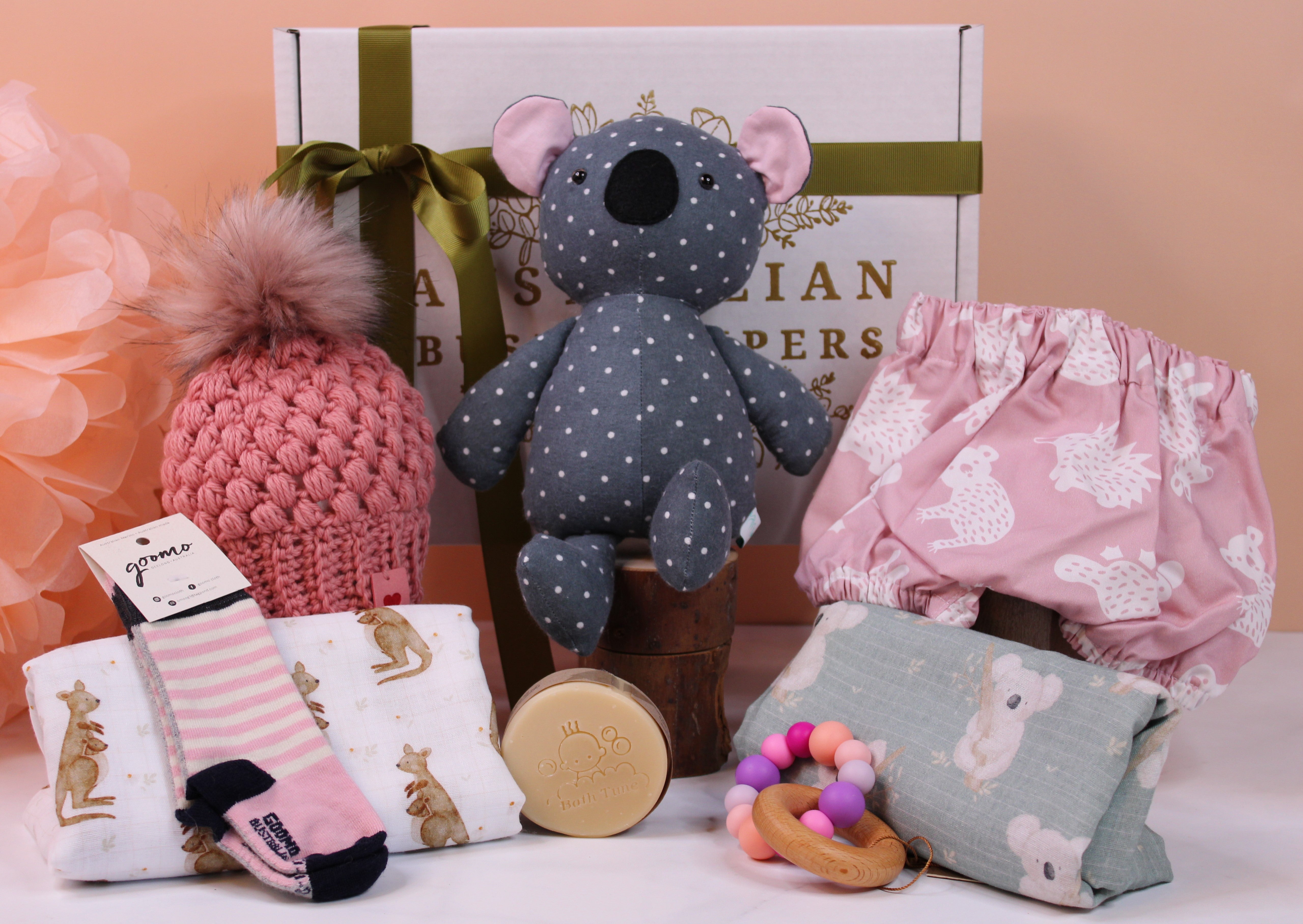
Customs Basics for Australia
Import Regulations You Should Know
Australia’s Department of Home Affairs and the Australian Border Force (ABF) govern the import of food, alcohol, and luxury goods. Key points include:
- Food safety – All food items must meet Australian food standards. Alcohol licensing – Spirits and wine require a licence or a licence‑held importer. Prohibited items – Certain foods, plants, and chemicals are banned outright.
Being aware of these rules before shipping can save you from costly surprises.
Duty and Tax: The Real Cost of Luxury
Even the finest hamper will be subject to:
- Goods and Services Tax (GST) – 10% on the value of the goods plus shipping. Customs duty – Varies by product category; some luxury items have lower rates, others higher.
A miscalculated duty can inflate the cost of your hamper by 20% or more, turning a gift into a financial headache.
Common Issues with Customs
Valuation Discrepancies
Customs officials rely on the declared value to calculate duty and GST. If the declared value is too low, you risk:
- Penalties – fines for undervaluation. Delays – additional inspections or audits.
A simple mistake, like omitting the packaging cost, can trigger a red flag.
“When customs sees a discrepancy, they don’t just raise an eyebrow; they raise a whole audit.” – Australian Customs Insider
Restricted Items
Luxury hampers often contain items that are either restricted or require special permits. Common culprits include:
- Cheese – Some cheeses must be declared and may be subject to additional testing. Wine – Requires an Australian Wine Licence or a licensed importer. Herbal products – Certain botanicals are prohibited or need a permit.
Shipping without the proper documentation is like sending a secret agent into a restricted area—unwise and likely to get you caught.
Packaging and Labeling
A well‑designed hamper can be a visual masterpiece, but if the packaging fails to meet Australian standards, it can be a problem. Issues include:
- Incorrect labeling – Missing country of origin or ingredient list. Non‑compliant packaging – Using materials that are not approved for food contact.
Even a single mislabel can lead to a customs hold or rejection.
How to Avoid Problems
Accurate Documentation
Start with a clean bill of lading:
- Commercial invoice – Clearly list each item, its value, and HS code. Packing list – Detail contents, packaging type, and weight. Certificate of origin – Especially important for duty concessions.
Double‑check that every document aligns with the actual shipment.
Choosing Reputable Suppliers
Partnering with suppliers who understand Australian customs can make a world of difference:
- Pre‑certified products – Items that already meet Australian standards. Clear export documentation – Suppliers who provide complete paperwork.
A quick phone call to confirm their export experience can save you from a customs nightmare.
Working with Freight Forwarders
A seasoned freight forwarder can be your customs whisperer:

- Pre‑clearance – Submit documents before the goods arrive. Duty payment arrangements – Options for paying duty on behalf of the importer. On‑hand support – Immediate assistance if customs raises a question.
Think of them as the concierge for your luxury hamper—ensuring every detail is perfect.
The Perfect Gift Awaits
When you combine premium products with meticulous customs compliance, the result is a seamless experience for both you and the Hop over to this website recipient. Remember:
- Plan ahead – Customs clearance can take weeks if you’re not prepared. Stay transparent – Accurate documentation builds trust with customs officials. Enjoy the moment – Once the hamper arrives, you can focus on delighting your recipient, not fighting bureaucracy.
So next time you’re preparing a lavish hamper for a client, a friend, or a loved one, take a moment to review these customs tips. It’s like checking your pockets before leaving the house—small steps that prevent big headaches later.
And if you’re still unsure about the process, reach out to a customs specialist or freight forwarder today. Your luxury hamper—and your peace of mind—will thank you.